How Often Should You Get Diabetic Eye Exams?
Living with diabetes, whether type 1 or type 2, demands vigilant management of your overall health. One critical but often overlooked aspect is protecting your vision through regular diabetic eye exams. These specialized exams detect early signs of diabetic retinopathy and other vision-threatening complications, helping you take timely action and prevent permanent damage.
In this comprehensive guide, Goshen Eye Care explores the recommended frequency for diabetic eye exams based on your diabetes type, age, and blood sugar control. We also highlight how these exams benefit everyone, even non-diabetics, by detecting early vision problems, and offer expert advice on maintaining healthy eyesight.
Why Diabetic Eye Exams Are Essential for People with Diabetes
The Impact of Diabetes on Eye Health
Diabetes can wreak havoc on your eyes in several ways. High blood sugar levels damage blood vessels in the retina, the light-sensitive tissue at the back of your eye responsible for vision. This damage can lead to diabetic retinopathy, macular edema, glaucoma, and cataract conditions that may cause vision loss or blindness if untreated.
Diabetic eye exams involve a comprehensive evaluation of your retina and overall eye health to detect these threats early. Since symptoms often do not appear until the damage is advanced, relying on vision changes alone is risky. Regular exams can identify subtle changes invisible to you, enabling timely interventions.
Diabetic Eye Exams: What to Expect
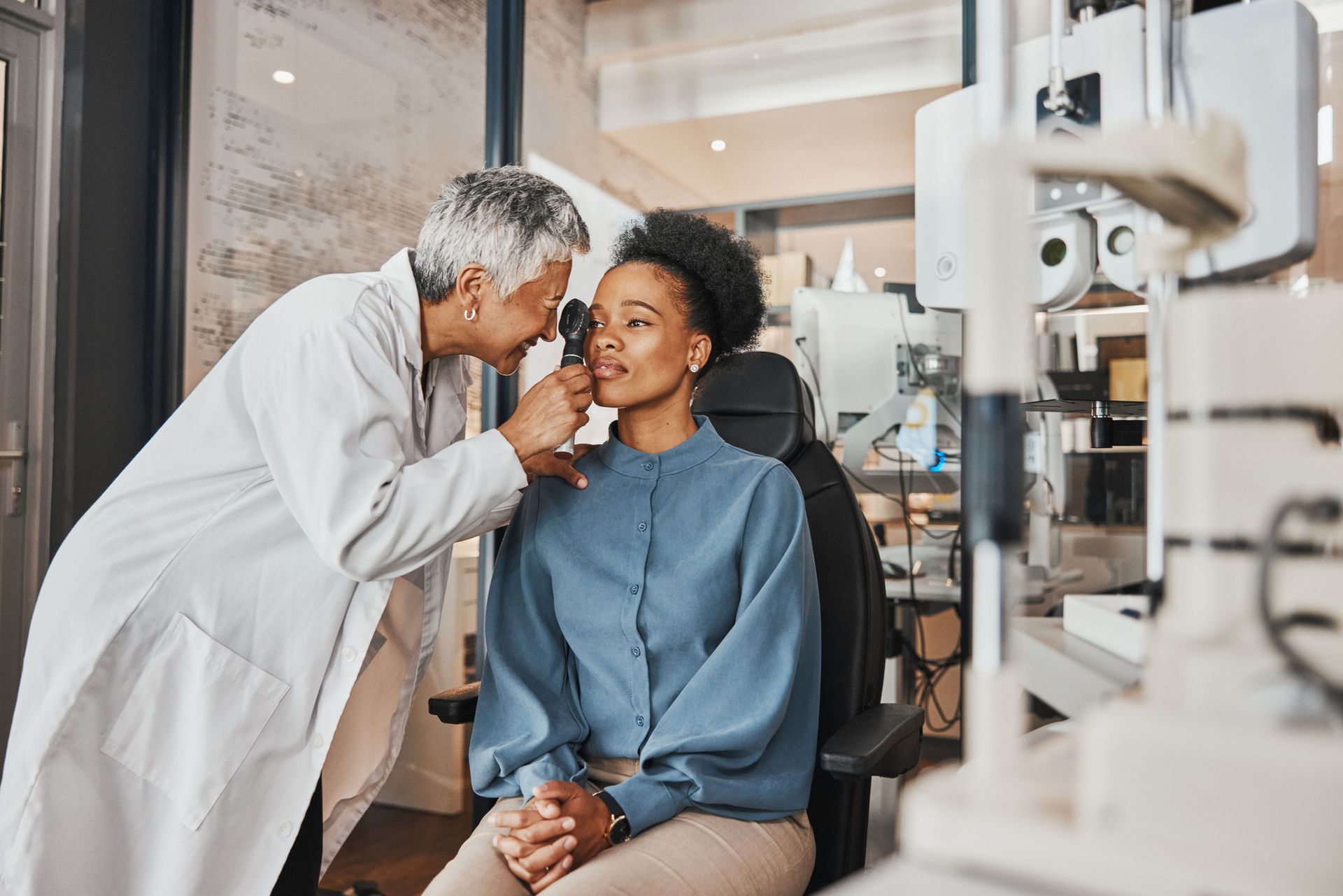
During your diabetic eye exams, eye care professionals use advanced imaging and diagnostic tools to examine your retina, optic nerve, and blood vessels. These tests are painless and quick and may include dilation of the pupils to allow a better view inside the eye.
The depth and frequency of the exam depend on your diabetes status, history of eye disease, and blood sugar control. Your eye care provider will recommend personalized follow-up intervals, but general guidelines exist that serve as a helpful starting point.
How Often Should You Get Diabetic Eye Exams?
Guidelines Based on Diabetes Type and Control
For individuals diagnosed with type 1 diabetes, the American Academy of Ophthalmology recommends scheduling your first diabetic eye exams within five years after diagnosis, mainly because retinopathy rarely develops earlier. After the initial exam, yearly checkups are advised, or more frequently if complications arise.
If you have type 2 diabetes, it’s critical to have diabetic eye exams as soon as possible after your diagnosis. Type 2 diabetes often goes unnoticed for years, which means retinal damage could already exist even before diagnosis. Following that baseline exam, yearly screenings are suggested to catch any developing problems early.
However, these recommendations may vary depending on your blood sugar control. Patients with well-controlled diabetes and no signs of retinopathy might transition to exams every two years under professional guidance. Conversely, those with poor control or existing eye problems require more frequent monitoring, sometimes every 3 to 6 months.
Age and Other Risk Factors to Consider
Age can influence how often you should get diabetic eye exams. Older adults with diabetes have a higher risk of developing eye complications and may benefit from more frequent evaluations. Additionally, other factors like high blood pressure, kidney disease, pregnancy, and smoking can increase risks and prompt more regular screenings.
For younger patients, especially children with type 1 diabetes, early education about eye health and adherence to exam schedules is vital. Maintaining strong control and regular monitoring during these formative years can prevent vision-threatening complications later on.
The Importance of Eye Exams for Everyone, Not Just Diabetics
Vision Health Is Universal
While diabetic eye exams focus on the unique risks for people with diabetes, regular eye exams are important for everyone. Routine eye exams detect common vision problems such as nearsightedness, farsightedness, astigmatism, and presbyopia. They also screen for eye diseases like glaucoma and cataracts, often before symptoms emerge.
Regular eye evaluations contribute to overall health by identifying warning signs of systemic conditions, including high blood pressure, high cholesterol, and neurological disorders that can affect vision.
Early Detection Saves Sight
Timely detection is the cornerstone of effective treatment. For people with and without diabetes, early diagnosis of eye conditions through routine exams prevents progression and reduces the risk of irreversible damage. Regular visits to an eye care professional help you stay proactive in maintaining eye health.
Tips for Managing Your Eye Health with Diabetes
Keep Blood Sugar, Blood Pressure, and Cholesterol in Check
Managing diabetes effectively is the best way to reduce the risk of eye complications. Maintain your blood sugar within the target range, control blood pressure, and manage cholesterol levels through diet, exercise, medication, and regular health checkups.
Follow Your Personalized Diabetic Eye Exam Schedule
Adhere strictly to the exam frequency recommended by your eye care provider. Don’t skip appointments even if vision feels normal. Diabetic eye exams detect microscopic changes before symptoms occur.
Protect Your Eyes from UV Rays
UV exposure can worsen several eye conditions, including cataracts. Always wear sunglasses with 100% UV protection when outdoors.
Maintain a Healthy Lifestyle
Eat a balanced diet rich in dark leafy greens, omega-3 fatty acids, and antioxidants to support eye health. Avoid smoking and limit alcohol consumption, as these habits increase the risk of diabetic eye disease.
What If You Notice Changes in Your Vision?
If you experience any sudden changes in vision blurred sight, floaters, shadows, or loss of central vision, schedule an eye exam immediately. Prompt professional evaluation can prevent further deterioration.
Contact Goshen Eye Care to Schedule Your Diabetic Eye Exam Today
Protecting your vision is a crucial part of managing diabetes effectively. At Goshen Eye Care, we understand the unique eye care needs of individuals with diabetes and provide comprehensive diabetic eye exams with personalized recommendations.
Don’t wait until symptoms appear. Early detection can save your sight. Contact us today to schedule your diabetic eye exams and take a proactive step toward preserving your valuable vision.